The Welcome Email Flow That Generated $500K in 12 Months (+ 24 Email Ideas You Can Steal)
Most Shopify brands send two emails to new subscribers.
A welcome email. Then a discount reminder a few days later.
That's it.
The problem? Everything in between those two emails is dead silence - and that silence is where most of your potential customers lose interest and buy from someone else instead.
Your new subscriber just raised their hand. They're curious. They're open. But they're also getting 50 to 150 other emails per day from brands competing for the same wallet.
If you're not showing up in their inbox during that window, somebody else will.
This is the welcome flow structure we use at GrowMyMail — the exact sequence that generated over $500K in email revenue for one client in a single year. Here's how it works, and how you can apply it to your brand today.
What a Welcome Flow Actually Looks Like
A welcome flow isn't just your first email. It's a sequence:
Welcome Email → Filler Emails (1–5) → Last Chance Email
The welcome email does the heavy lifting upfront — introduces the brand, delivers whatever you promised (a discount, a lead magnet, etc.).
The last chance email creates urgency — reminding the subscriber that their discount or offer is about to expire.
The filler emails are the middle section most brands skip. And that's a mistake. Because those emails are the ones that actually build the relationship that makes someone click "buy."
Why Filler Emails Aren't Filler At All
The word "filler" is a bit misleading. These emails do four very specific jobs:
Build trust. Most people who land on your list have never bought from you. They don't know if your product is worth it yet. These emails bridge that gap before you ever ask them to spend money.
Overcome objections. Every customer has unspoken questions holding them back. Is this too expensive? Does it actually work? Why should I choose you over the brand I already use? If you don't answer those questions, they'll fill in the blanks themselves — usually with a "no."
Position your brand. This is your chance to show what makes you different. Not just "we're great" — but specifically why your product is worth the price, how it works, and what makes it better than alternatives.
Prime future buyers. Not everyone on your list is ready to buy today. Some are window shopping. If you lay the groundwork now, they'll think of you first when they're ready.
None of this happens with two emails.
24 Filler Email Ideas (Organised by Job)
You don't need all 24. Pick 3–5 that fit your brand and build from there.
Product Education
One Benefit — Pick a single benefit and write the whole email about it. Not three benefits. One. Go deep.
One Feature — An ingredient, a material, a process. Whatever makes your product what it is.
What's Inside — Walk through exactly what the customer is getting. Ingredients, add-ons, materials.
How It's Made — If you produce your own products, this builds enormous trust. People want to know there's craftsmanship behind what they're buying.
How to Use It — Instructions, tips, tricks. Help them get the most out of the product before they even own it.
FAQ — Go to your customer service team and ask: what does everyone ask about? Answer those questions in email form. If you don't have data yet, use your gut.
Research Study — For supplement, wellness, or health brands especially, linking to a peer-reviewed study that backs your product's effectiveness is extremely powerful. Not a blog post — a real study.
Trust & Social Proof
Testimonials — Don't just paste star ratings. Feature real customer quotes that answer real objections.
Customer Transformation — This is a proper before/after. What was the problem? What changed? How does the customer feel now? Think case study, not quote.
UGC Content — Customer photos, videos, unboxings. If you sell in person too, ask happy customers on the spot: "Would you mind if I filmed a quick 30-second clip?" Most will say yes, especially if you offer a small gift with their next purchase as a thank-you.
Media Mentions — Been featured in a publication? Vogue, a podcast, a newsletter? Let your subscribers know. Third-party credibility matters.
Back in Stock — Use a bestseller that "just came back" to create urgency. Works well in welcome flows because these subscribers haven't bought yet.
Brand Positioning
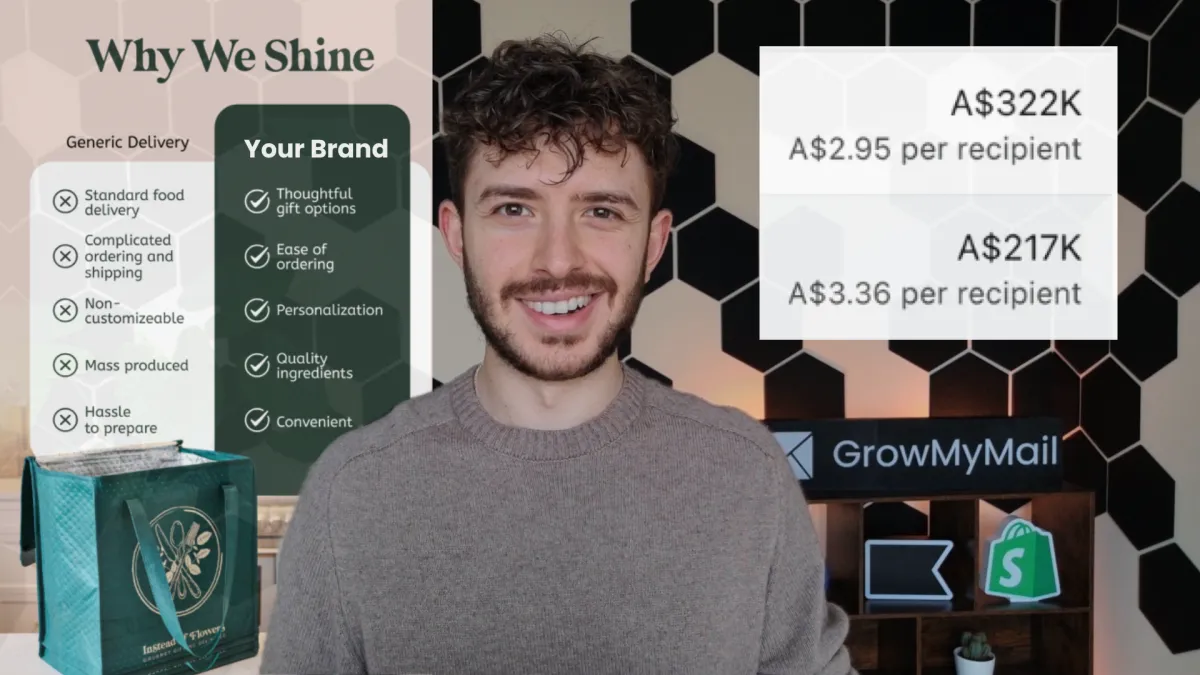
Us vs. Them — Show what generic options do versus what you do. Keep it honest, not arrogant. A simple comparison table works brilliantly here.
Myths & Facts — What do people misunderstand about your product or category? Correct those misconceptions. This works especially well for health, wellness, and skincare brands.
Best Sellers — "Can't decide? Start here." A curated list of your most popular products with a short explanation of why customers keep coming back for each one.
Engagement & Relationship
Note from the Founder — Text-only. Personal. A genuine message — about why you started the company, a lesson you learned, something real. People actually reply to these.
Behind the Scenes — Show the team, the warehouse, the process. It humanises the brand and builds loyalty before the first purchase.
Tips & Tricks — Useful advice related to your product category. Not a sales pitch. Pure value.
Blog Promo — Drive traffic to a useful piece of content on your site. This keeps people engaged and builds authority.
Gift Guide — If your product makes a good gift, help subscribers figure out who to give it to and when.
Treat Yourself — Not every buyer is shopping for someone else. Encourage self-purchase. Frame it around indulgence and self-care.
Staff Picks — Let your team share their favourite products and why. Adds personality and makes product recommendations feel authentic.
The Emails That Actually Drive Revenue: Breaking Down the Templates
Four email types in this sequence consistently outperform the rest. Here's how to structure each one.
1. The Social Proof Email
Open with a bold hero line that sets the frame — something like "Here's what real customers are saying" or "Our most-loved product, in their words."
Then feature 2–3 testimonials. Choose ones that address the objections you know your buyers have — not just "great product!" but "I was sceptical at first, but after two weeks..."
Close with a product section showing exactly what those reviews are about. If the testimonials mention your protein bars, show your protein bars. Match the social proof to the product.
2. The Us vs. Them Email
This is your brand positioning email. Show what competitors typically do — gray it out, keep it factual — then show what you do differently.
Focus on your core differentiators: ingredients, sourcing, values, results, service. Don't make it arrogant. Make it informative. The best version of this email makes a reader think: "Oh. They actually care about this stuff."
3. The Best Sellers Email
Hero line: "Can't decide? Start here."
Bridge section: explain briefly why these products are fan favourites. Repeat purchases, five-star reviews, consistent sellouts. Be specific.
Product section: 2–4 items with short descriptions tied to your brand's voice. Visual, scannable, easy to click through.
4. The Last Chance Email
This is one of the most important emails in the entire sequence.
Keep it short. Keep it urgent. "Final warning." "Offer expires tonight." Optionally add a countdown timer — A/B test this to see what works for your audience.
A product section helps, but even a plain-text email with a single "Shop Now" button can outperform a heavily designed one here. The urgency does the work. Don't bury it under design.
Practical Tips Before You Build
Start with 3 filler emails. Not 24. Pick one from the trust category, one from education, one from positioning. See how they perform, then expand.
Mine your customer service inbox for FAQ material. The questions people ask before buying are exactly the objections you need to overcome in your filler emails.
For health, wellness, and supplement brands — use research emails. Sharing a credible study that backs your product's core claims builds trust faster than almost anything else.
Collect UGC in person if you can. When a customer tells you they love your product face-to-face, ask if you can film a 30-second clip. Offer a small gift with their next purchase as a thank-you. The conversion rate on this ask is extremely high.
A/B test your last chance email. Try one version with a countdown timer, one without. Try a fully designed email vs. a plain-text one. The results often surprise you.
The Full Welcome Flow at a Glance
Here's the complete sequence:
Email 1: Welcome — Deliver your offer, introduce the brand.
Emails 2–5: Filler — Build trust, overcome objections, position your brand, prime future buyers.
Final Email: Last Chance — Create urgency, push for the first purchase.
Each filler email has one job. Don't try to do everything in one send. One email, one message, one call to action.
The Bottom Line
The brands earning 40–50% of their revenue from email aren't doing anything magical.
They're just showing up consistently in the inbox with the right message at the right time — and they're not going silent in the middle of their welcome flow while their competitors fill that space.
You don't need to build all 24 emails to start seeing results. Build 3. Send them. Watch what happens.
The gap between a welcome email and a last chance email is where trust is built — or lost. Fill it deliberately.
Want the free welcome flow template? Click the link below the video. Or book a free Klaviyo audit at GrowMyMail — we'll show you exactly what your email channel could be doing for your business.
Another Video You Might Like
This is part one of this series. Enjoy.